The Everyday Essentials Triangle — Why convenience drives long-term property value?

When people talk about buying a new launch condo, the conversation often drifts toward flashy facilities, luxury branding, or “future transformation stories.” Those things sound exciting, but they’re not what you rely on every single day.
In reality, long-term property performance in Singapore is driven by something far more practical. It’s what we call the Everyday Essentials Triangle.
This framework focuses on three non-negotiables that shape daily life and, more importantly, future resale demand: connectivity, groceries, and eateries. If a condo does well on all three, it usually does well over time.

What is the Everyday Essentials Triangle?
The Everyday Essentials Triangle represents the things most households touch several times a week, if not every day.
Connectivity refers to how easily you can get around Singapore. This could mean walking distance to an MRT station, access to multiple bus routes, or proximity to a major expressway.
But accessibility must be balanced. Too close to an expressway, and noise and air pollution become a problem. That’s why we apply a 300-metre buffer rule, aligned with World Health Organisation guidelines, where noise and pollution drop meaningfully.
Groceries are about practicality. An affordable supermarket or wet market matters more than premium-only grocers. FairPrice and Sheng Siong consistently outperform upscale alternatives in terms of mass appeal. When it’s raining, or you’re rushing home after work, affordability and convenience win every time.
Eateries refer to everyday food options—hawker centres, coffee shops, and food courts. These are places residents actually use. A Michelin-starred restaurant may look good in a brochure, but most buyers care more about whether they can grab chicken rice, prata, or kopi nearby.
Together, these three form a triangle of daily convenience that supports both livability today and resale demand tomorrow.

Why does the Everyday Essentials Triangle matter?
The first reason is usage certainty. Everyone commutes. Everyone eats. Everyone buys groceries. Demand for these essentials doesn’t disappear in a downturn, which makes properties that meet these criteria far more resilient.
Second, this triangle improves lifestyle today and values tomorrow. Buyers can immediately picture themselves living there. That emotional connection shortens selling timelines and supports stronger pricing when you eventually exit.
Third, it directly improves resale liquidity. Homes near MRTs, affordable supermarkets, and hawker centres appeal to families, couples, and even older buyers. A wider buyer pool creates confidence—and confidence supports prices.
Finally, the Everyday Essentials Triangle offers downside protection. Trends come and go, but daily necessities don’t. In softer markets, practical homes outperform aspirational ones because buyers shift from “nice-to-have” to “need-to-have.”
Real-world proof
Take Parc Clematis. It’s within walking distance of Clementi MRT, close to multiple bus routes, and near the AYE. Within 800 metres, there are two FairPrice supermarkets and plenty of hawker options. Since TOP, it has recorded an overwhelming number of profitable transactions.
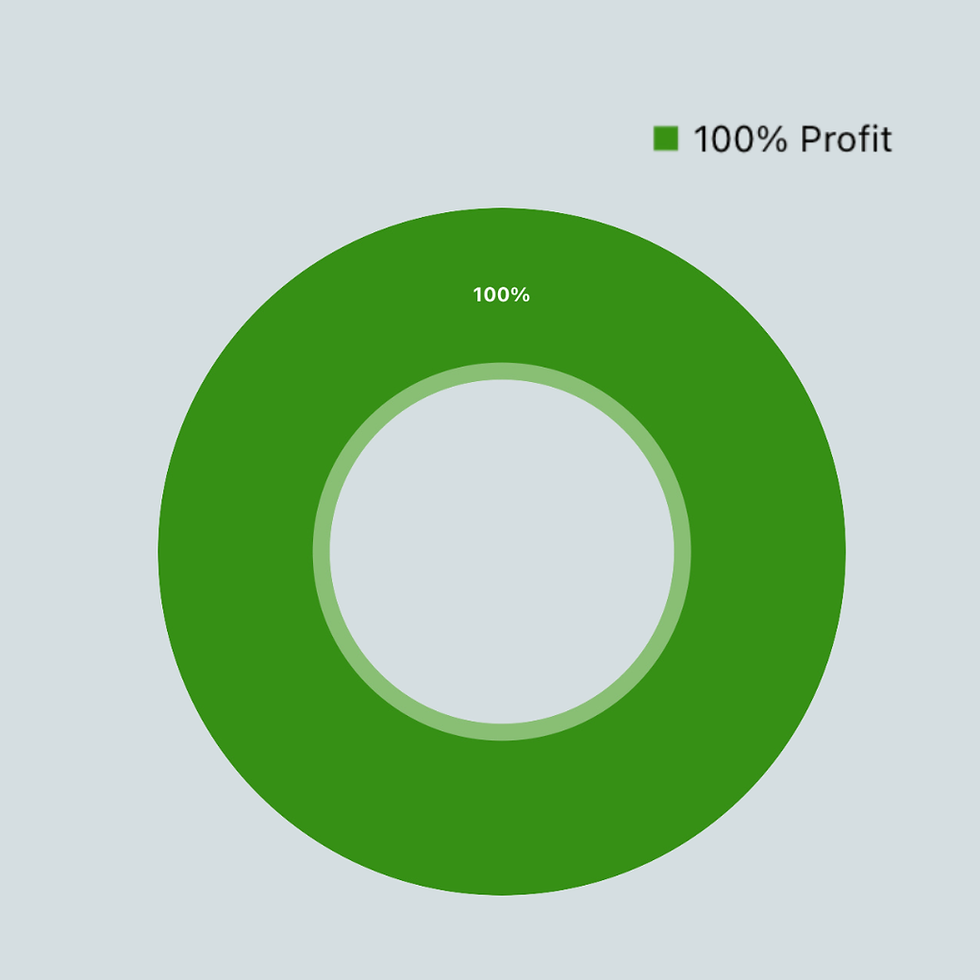
Or look at Lake Grande near Lakeside MRT. It meets all three criteria cleanly—and has not recorded a single unprofitable resale transaction since TOP. That’s not luck. That’s fundamentals.
Want to apply this framework properly?
The Everyday Essentials Triangle isn’t theory—it’s one of the filters we actively use when analysing both new launches and resale condos in Singapore.
If you’re currently evaluating a project and wondering whether it truly stacks up beyond the brochure and showflat hype, the fastest way to get clarity is to see the full framework in action.
Considering a new launch? Download our How To Choose A Profitable New Launch playbook.

Exploring resale condos instead? Our The Playbook For Choosing A Resale Condo As Your Best Asset shows you how.

Both playbooks are designed to help you cut through noise, avoid costly mistakes, and make a confident property move—whether you’re buying your first private home or planning your next upgrade.


Comments